cohort-employers

What is a workplace adjustment?

If you have heard the term workplace adjustment but are not sure what it means or whether it applies to you, you are not alone. It is one of the most common questions we get asked. In fact, a JobAccess survey found 6 in 10 people in Australia are still unfamiliar with the concept.

What is a workplace adjustment?

A workplace adjustment is any change that helps a person with disability do their job safely and effectively. 

Some common examples include:

  • providing assistive technology or specialised equipment.
  • making all recruitment materials available in accessible or alternative formats.
  • changing working hours or allowing flexible arrangements.
  • adding ramps, handrails, or accessible entryways.
  • reducing noise or improving lighting.

Most adjustments are low-cost or no-cost, making them a practical and effective way to support an inclusive workplace.

What is a reasonable adjustment?

You may have also seen the term reasonable adjustment. It means the same thing in practice - but it is a legal term. 

Reasonable adjustment is the term used in the Disability Discrimination Act 1992. It refers to the obligation on employers to make changes to support an employee with disability, unless doing so would cause unjustifiable hardship.

Workplace adjustment is the everyday term used to describe the actual change made.

Did you know? Only 2 in 5 people see workplace adjustments as easy to organise. We are here to help change that.

Adjustments are not a one-off fix

A good adjustment is tailored to the individual and can be altered to meet the changing needs of the individual. What works on day one may not work a year later, so regular review is important.

The simplest thing an employer can do is ask, rather than assume what adjustments will help the individual.

Support is available

We offer free, confidential advice to both employers and people with disability on workplace adjustments. If funding is needed for modifications or equipment, the Employment Assistance Fund (EAF) may be able to help.

Find out more at jobaccess.gov.au or call 1800 464 800.

Share
TwitterFacebookTwitter

Last updated:

Celebrating twenty years of JobAccess

In 2006, the Australian Government launched JobAccess. What started as a simple idea - that everyone deserves support to find, keep, and thrive at work - has grown into Australia's national hub for disability employment.

Behind the 500,000 clients already supported are stories of people who stayed in work, found their footing, or discovered support they never knew existed.

From three staff to a national service

JobAccess was created in response to a recommendation from the Australian Human Rights Commission. It was designed to be a single, free point of contact for anyone with a question about disability and work, whether they are an employer, a person with disability, or a service provider.

Today, the program delivers three core services:

  • The National Advice Line. An advisory service staffed by frontline professionals offering expert, confidential advice on all aspects of disability employment.
  • The Workplace Adjustments and Employment Assistance Fund (EAF). Provides tailored recommendations and end-to-end support, delivered by allied health professionals with financial assistance available for equipment, building modifications, Auslan interpreting, and more.
  • The National Disability Recruitment Coordinator (NDRC). Established in 2010 and joined JobAccess in 2016. It partners with larger employers through free, tailored 12-month partnerships to build disability confidence, shift workplace culture, and improve recruitment and retention practices.

Real outcomes that last

A core strength of JobAccess is its ability to deliver lasting employment outcomes, not just short-term support. In 2024, we published landmark research following up with people who received workplace adjustment funding through the EAF.

The results found:

  • 96% of EAF recipients remained employed two years later.
  • 89% were still with the same employer.
  • 94% said the equipment, modification, or service helped them be more productive at work.

These are not short-term outcomes. They are sustainable employment results. The kind that changes the path of a person's working life.

Building employer confidence across Australia

Through the NDRC, JobAccess has partnered with 482 organisations across the public and private sectors, reaching more than 2 million employees. The results show a measurable shift in workplace culture:

  • 87% of NDRC employer partners reported a positive shift in attitude towards employing people with disability
  • 83% said they had increased confidence in employing and retaining candidates with disability

The NDRC has run over 450 disability awareness training sessions, helping more than 12,000 frontline workers gain practical inclusion skills.

"Without JobAccess, many people with disability would resign from work, lose their jobs or be less productive at work. JobAccess provides value for money, as it reduces costs to the Government, economy and society.”

-Department of Social Services independent evaluation,

June 2019.

A team that reflects the people it serves

Behind the service is a team that Georgia says makes JobAccess what it is.

"One of the most special things about the JobAccess program is the team who delivers it. The staff are so committed, so genuine in wanting to reduce barriers at work for people with disability. 90% of the team either live with a disability or care for someone that does."

-Georgia Miller,

National Manager, JobAccess.

That lived experience shapes how the service is delivered and why it continues to be trusted by the people who use it.

Twenty years of milestones

Over two decades, we’ve helped shape how Australia thinks and talks about disability employment. Some of our key milestones include:

As we enter our third decade, the focus remains on the people our service is built for.

"What excites me about the future of JobAccess is more good news stories, more people with amazing employment outcomes - but not just getting work," says Georgia. "Actually progressing in careers. And seeing more people with disability in leadership positions."

Whether you're an employer looking to build a more inclusive workplace or a person with disability exploring your options, we can help. Call us on 1800 464 800 to find out what support is available for you.

Share
TwitterFacebookTwitter

Last updated:

Disability inclusion at work: why belonging matters

Disability inclusion is about more than hiring - it’s about belonging.

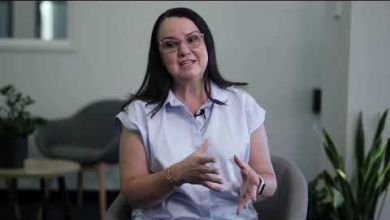
In this video, Kelly Wheeler - Professional Adviser for the National Disability Recruitment Coordinator (NDRC) explains why inclusive workplaces matter, how adjustments support everyone, and how employers can build safer, stronger teams.

JobAccess is government funded and supports employers to confidently recruit and retain people with disability.

Go to video

New guide to help employers work with Inclusive Employment Australia

Employers looking to hire people through Inclusive Employment Australia can now access a new guide explaining how the program works.

Inclusive Employment Australia is a specialist disability employment program. It assists people with disability, injury, or health condition to prepare for, find and maintain work and grow their career. It replaced the Disability Employment services (DES) program on 1 November 2025.

How the guide helps employers

The Working with Inclusive Employment Australia: Guide for Employers outlines the support at each stage of hiring.

The guide covers:

  • Pre-employment help – How an Inclusive Employment Australia provider can help employers design jobs to hire people with disability.
  • Financial help – Information on wage subsidies that may be available when hiring through Inclusive Employment Australia provider.
  • Accessibility – Advice on how to make a workplace accessible and inclusive for people with disability.
  • On-the-job support – Information on 'Ongoing Support -Work Assist' services to help people with disability in the workplace.

Working together for success

Building a strong partnership with an Inclusive Employment Australia provider can help an employer find the right staff and create a more inclusive workplace.

Employers can also get free advice on hiring people with a disability through the National Disability Recruitment Coordinator (NDRC). The NDRC is managed by JobAccess and helps remove hiring barriers.

Read the free guide

Download the full guide.

For confidential and expert advice on supporting people with disability at work, call JobAccess on 1800 464 800 today.

Share
TwitterFacebookTwitter

Last updated:

5 myths about neurodiverse employees — busted

If you are an employer working towards a more inclusive workplace, neurodiversity may already be part of your considerations.

Neurodiverse employees bring different ways of thinking, problem-solving and working. Many employers want clear, practical guidance on what this looks like at work.

Neurodiversity is more common than many people realise. In fact, 15 to 20 per cent of the population is neurodivergent*.

As more organisations explore inclusive employment, it is normal to have questions.

Here are five common myths about neurodivergent employees – and the facts to help you feel more confident about inclusive hiring.

Myth 1: Neurodiverse employees are less productive

Fact: In the right setting, neurodiverse employees can be as productive as their co-workers – and sometimes even more.

Research from JPMorgan Chase found that autistic employees in their Autism at Work program were 90 to 140 per cent more productive than their colleagues. They also made fewer mistakes.

Productivity is not about everyone working in the same way. It is about giving people the tools and support to do their job well.
 

Myth 2: Hiring neurodiverse employees is expensive or complicated

Fact: Most workplace adjustments are low-cost or free and many help everyone.

Simple changes can make a big difference. These may include:

  • flexible working hours
  • clear written instructions
  • quieter workspaces.

These changes can improve productivity, morale, and wellbeing across the whole team.

If an adjustment does have a cost, support is available. The Australian Government’s Employment Assistance Fund (EAF) can help pay for workplace changes or assistive technology. You can also get free, confidential advice from our advisers about which adjustments might be useful.

Myth 3: Neurodiverse employees won’t fit into workplace culture

Fact: Strong workplace cultures value difference, not sameness.

Teams with people who think differently are often more innovative and adaptable. JobAccess data shows that workplaces supporting employees with disability often have:

  • lower staff turnover
  • higher engagement
  • stronger teams.

Inclusive workplaces help everyone feel valued and supported.

Myth 4: Neurodiverse people are only suited to specific jobs.

Fact: Neurodivergent people work successfully across all industries and roles.

The 2025 EY Global Neuroinclusion at Work Study found that neurodivergent employees have strong skills in areas such as:

  • resilience, flexibility, and adaptability
  • creative thinking.

The key is understanding individual needs and providing practical support.

JobAccess, together with Inclusive Employment Australia providers, can help employers with inclusive job design and recruitment. This support helps attract and keep a wide range of candidates. Check out our ‘Working with Inclusive Employment Australia guide for employers’ for more information.

Myth 5: Employees must disclose their neurodiversity to get support

Fact: Disclosure is a personal choice.

Employees only need to share what is relevant to their role. This allows employers to put supports in place, such as new equipment, flexible hours or changes to the work environment.

JobAccess provides guidance on having respectful conversations about workplace adjustments and building supportive workplaces. Information for employees when talking about their disability at work.

Making neurodiversity work for your business

Neurodiverse employees are an important part of a strong, diverse workforce.

We offer free advice, resources and funding support to help you. Give us a call to get started today on 1800 464 800 or find out more at: https://www.jobaccess.gov.au/i-am-an-employer

*Source: Parliamentary Workplace Support Service (PWSS) fact sheet (PDF).

Share
TwitterFacebookTwitter
Cohort:

Last updated:

Subscribe to Employers